Mold & moisture inspection in Denver. A clearer picture of your property.
Water staining, recurring dampness, visible growth or an unexplained odor can leave you unsure what to do next. IESC helps Denver-area owners and property teams define an environmental investigation around the concern and the decision ahead.
Up to 3 standard air samples, standard laboratory analysis, moisture observations and written findings; base scope up to 1,500 sq ft. View pricing and inclusions →
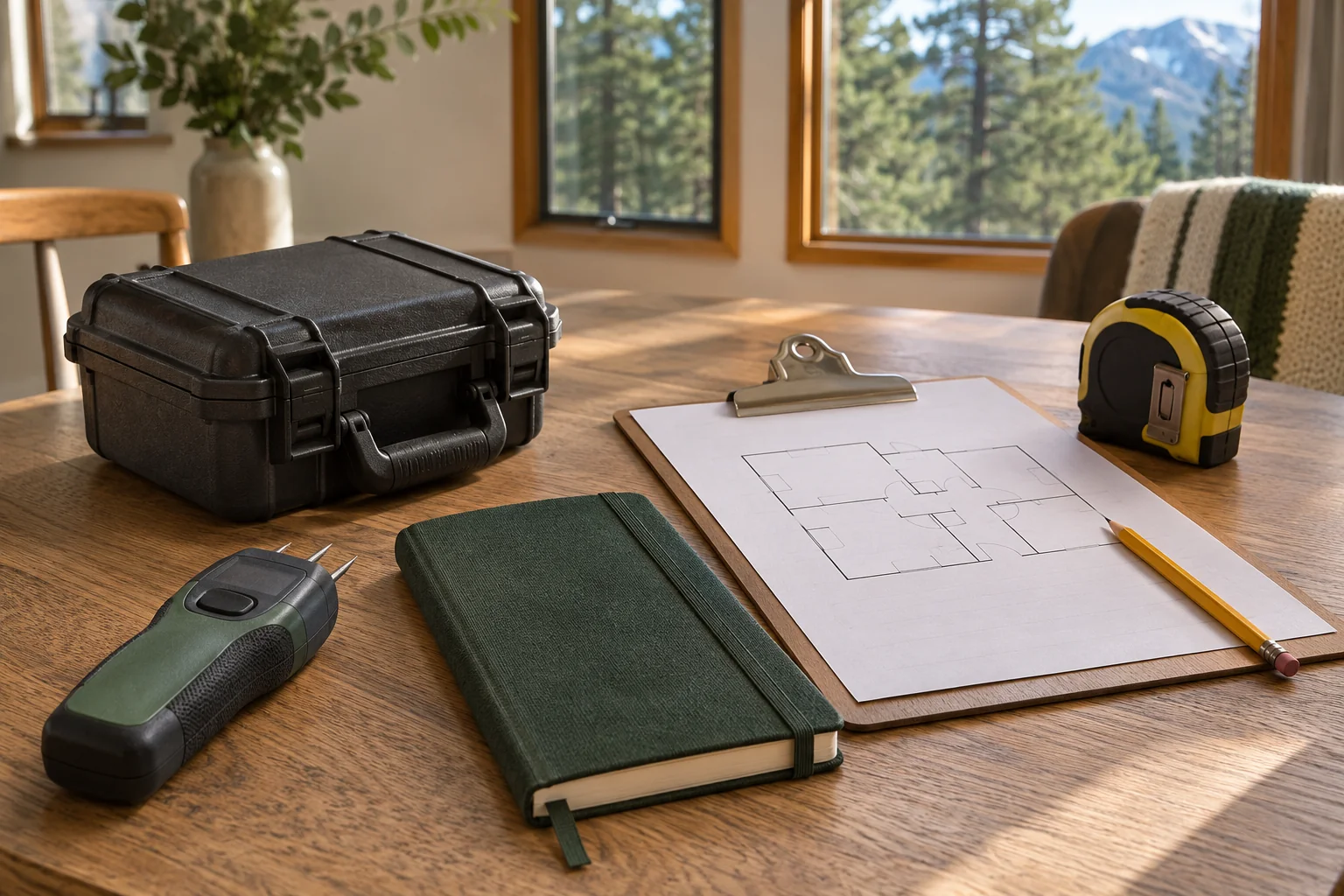
Illustrative AI-generated service image. Not a client property or completed IESC project.
Start with the building history
The first conversation covers the property location, affected rooms, when the issue appeared, and any leaks, drying or repairs already reported. A focused assessment looks at authorized, accessible areas and documents the conditions present at the visit.
A previous leak and today’s moisture reading tell different parts of the story. We keep reported history, direct observations and information that remains unknown distinct.
What an assessment can include
The written scope may include a records review, visual observations, representative photographs and moisture mapping. When additional investigation is needed, recommendations identify the question that work should answer.
Air or surface sampling may be included when it serves a defined purpose. Sample locations, methods, laboratory arrangements and reporting are established for the project rather than selected by a generic package.
What you can do with the findings
Use the assessment to discuss source correction, further investigation or a written remediation protocol. When a report is commissioned, it connects the agreed areas and observations with recommendations and relevant limitations.
IESC provides environmental consulting. Source repairs, concealed access and remediation require separate arrangements. If work proceeds, agree on verification criteria before the project reaches its final review.
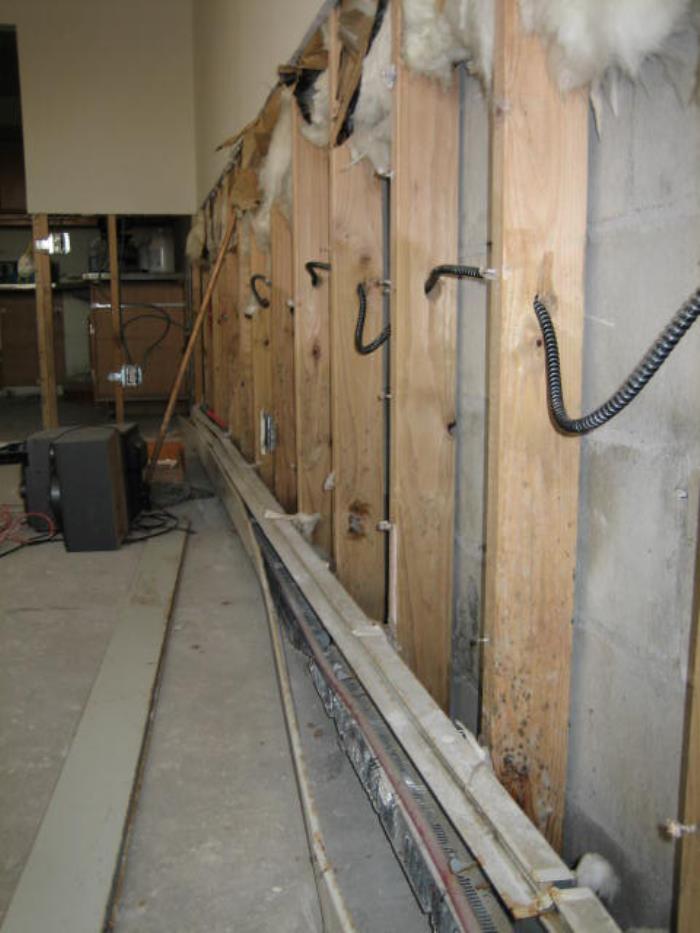
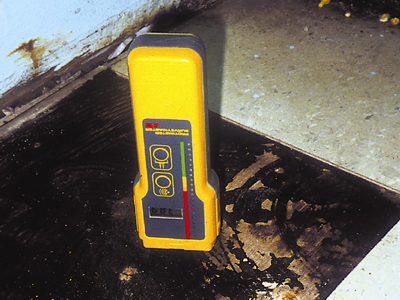
A material, a moisture observation and a project history each contribute different information. These reference photographs illustrate the kinds of conditions an investigation may need to document.
Accessible building materials
Exposed framing can make material conditions visible. The history, accessible area and scope determine what can be assessed.
CDC photographs are available free through the CDC Public Health Image Library. Use of these reference images does not imply endorsement of IESC by CDC, EPA or the U.S. Government.
Common questions
Know what to expect.
Do I need mold testing if I can already see growth?
Not always. EPA explains that visible mold commonly does not require sampling. IESC considers whether testing will answer a useful project question. There is no federal airborne mold threshold that makes a sample a universal pass-or-fail test.
Does an odor prove there is mold?
An odor alone does not identify a contaminant or establish its source. The investigation starts with the property history and accessible conditions, then defines any further work needed.
How much does the assessment cost?
The proposal identifies the assessed areas, visits, sampling, laboratory work and reporting. These may be separate items. Discuss the property first so the quoted scope matches the concern. See the mold inspection cost guide →
Can I schedule a site visit directly?
Request a consultation with Charlie. Location, access, scope, fees and availability are confirmed before a site appointment is scheduled.